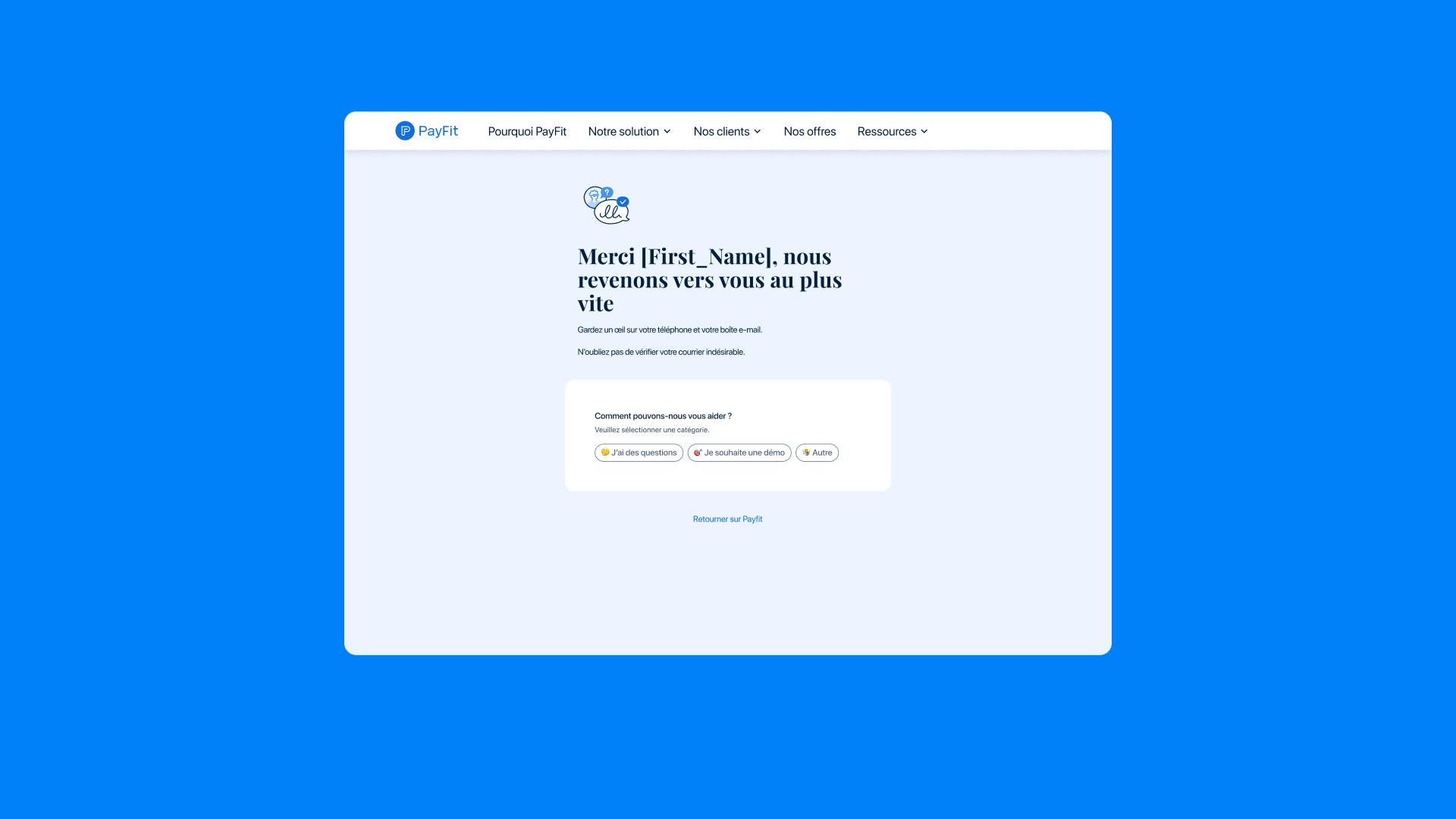
Self-Acquisition Funnel
Transforming an 18-step onboarding into a mobile-first, autonomous subscription experience
The Problem
The Growth Squad faced a critical bottleneck. Forty-five percent of prospects abandoned the funnel at the very first step. The existing flow demanded eighteen steps of fragmented forms, lacked any Figma documentation, and treated mobile as an afterthought. With thirty-one percent of traffic coming from mobile devices, we were essentially turning away one in three potential customers.
The experience felt broken. Inconsistent tone of voice created confusion. Complex microinteractions frustrated users. Pricing information appeared misleading. Account Executives reported the same friction points repeatedly, yet no product design backlog existed to address them. The team was shipping features without understanding the human cost of each click.
Discovery
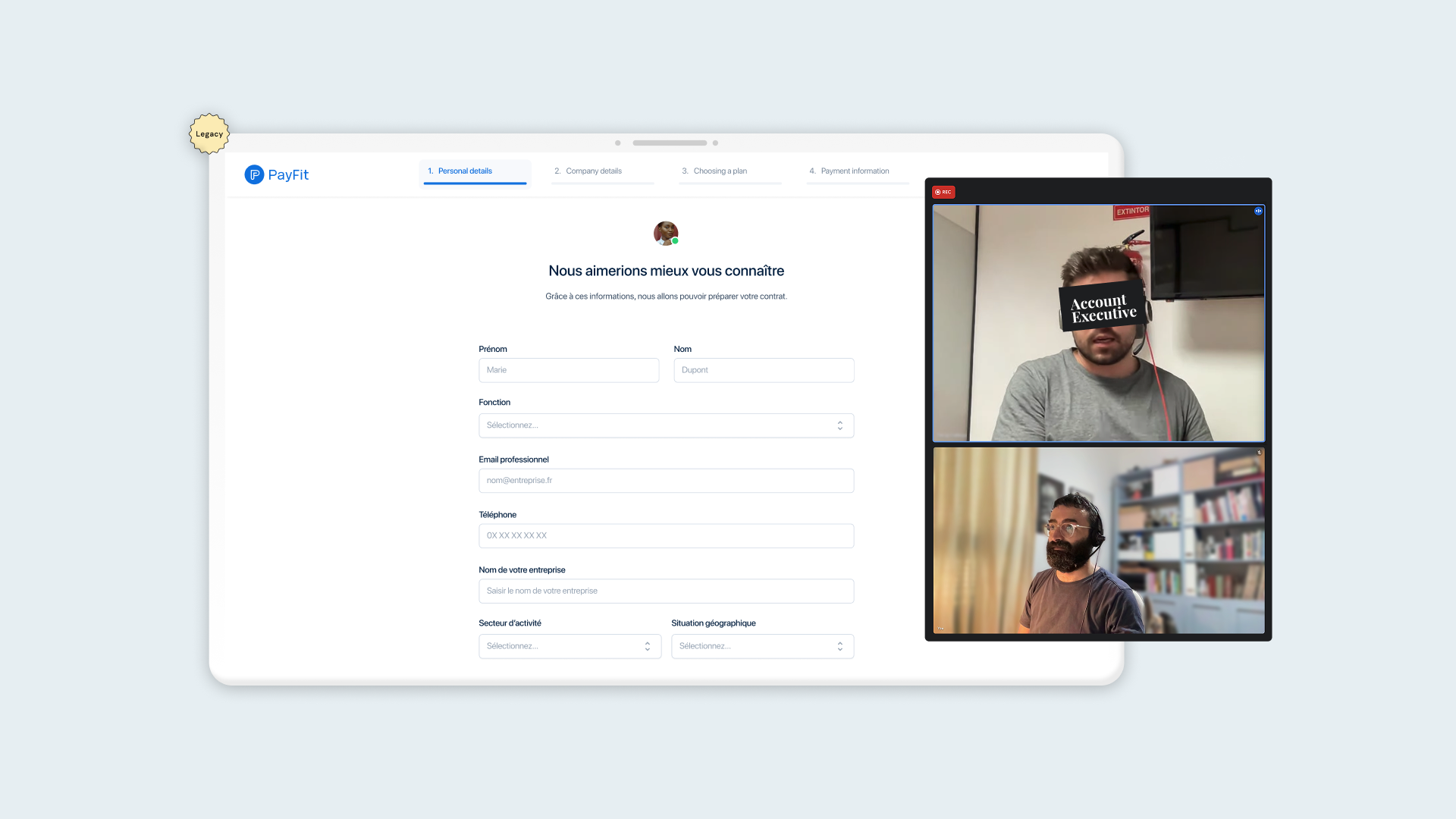
I led a six-week research initiative to uncover why prospects struggled. We audited the complete funnel, benchmarked competitors, analyzed prospect data, shadowed sales calls, and conducted interviews with Account Executives. The findings were stark: aggressive copy filled with exclamations, no web view design system, redundant communications, and zero guidance during critical decision moments.
Most critically, we learned where trust could be built. Prospects needed transparency about total costs early in the journey. They needed reassurance that support was available if questions arose. And they needed to understand PayFit's flexibility before committing to a contract.
The Solution
We defined three pillars of impact. Clarity meant transparent value propositions and honest pricing. Guidance required supporting prospects through every doubt and question. Reassurance demanded clear next steps and trustworthy relationships.
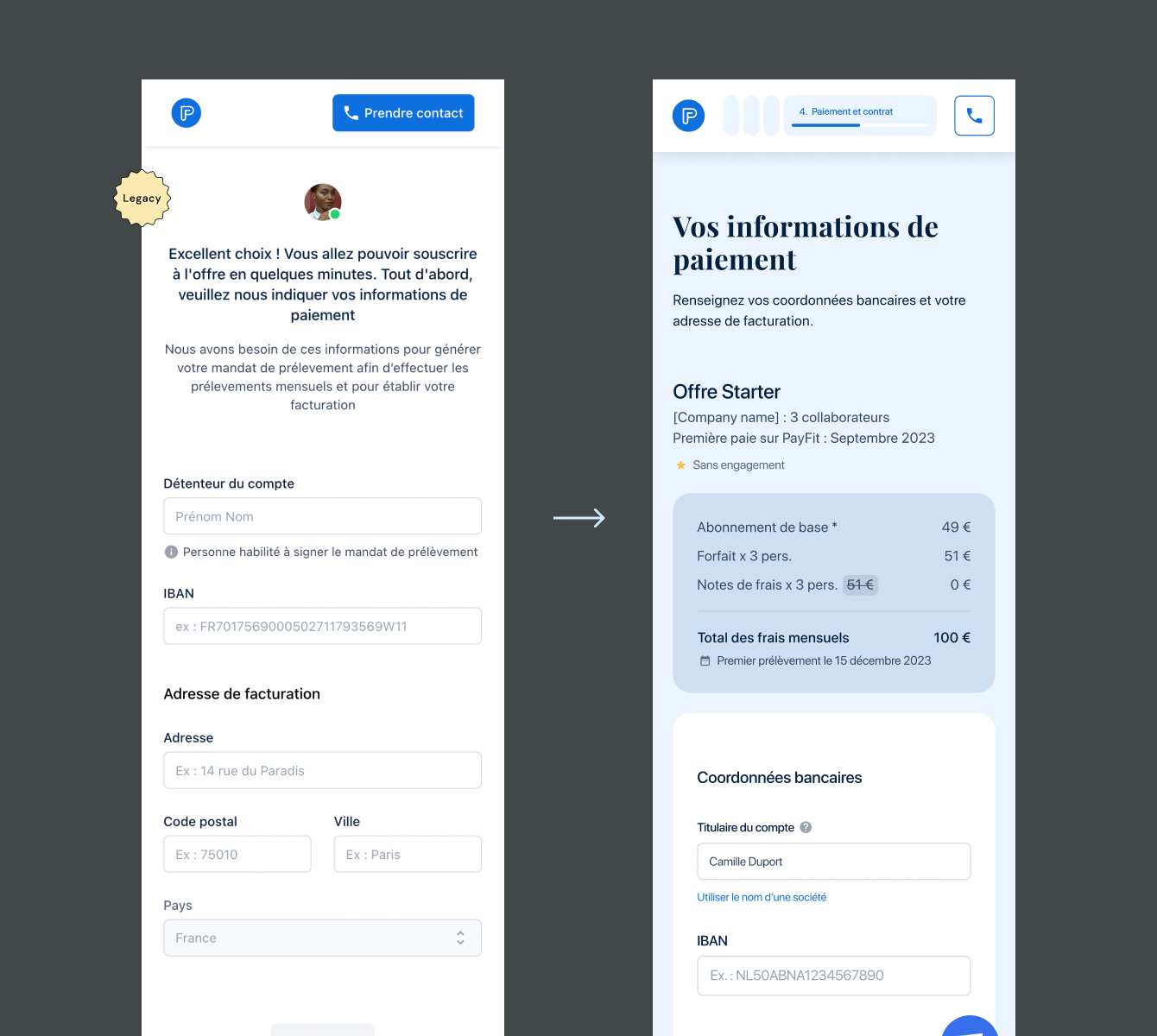
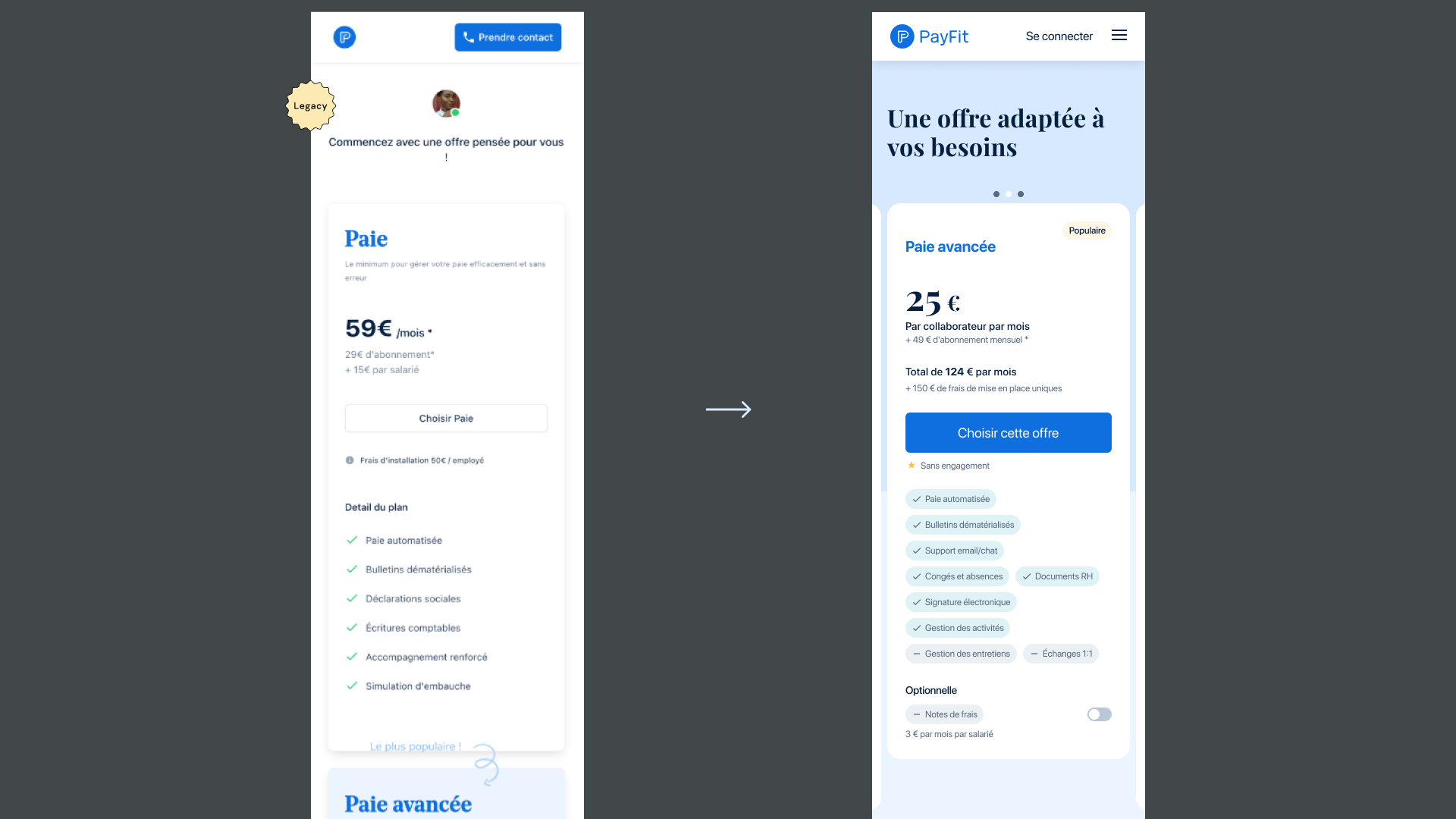
The strategy translated into concrete changes. Mobile-first became our default way of working, not a responsive afterthought. We aligned with the Design System team for consistency. We introduced inclusive language and transparent offer plans. Every interaction was designed to reduce cognitive load and build confidence.
Managing Expectations
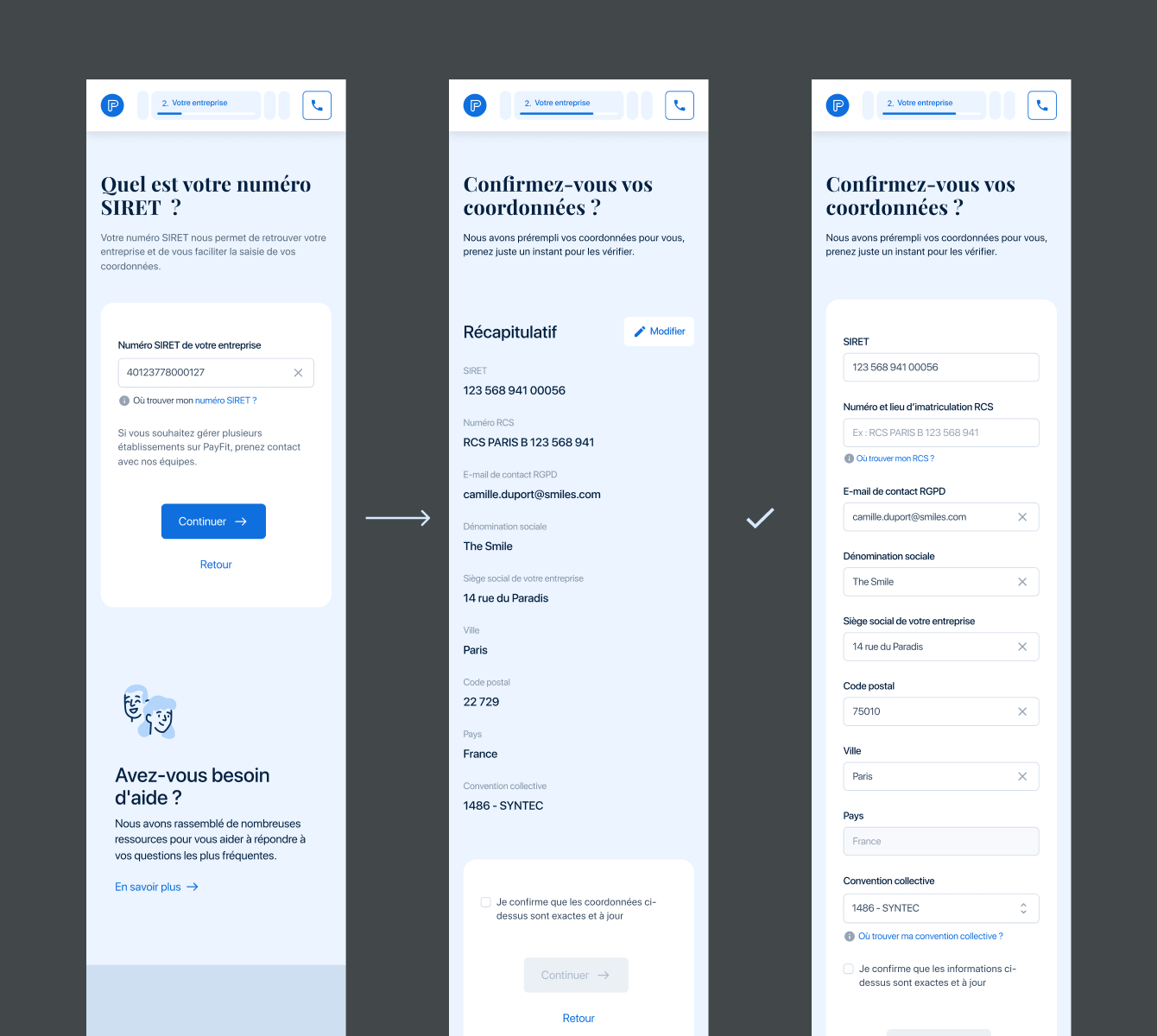
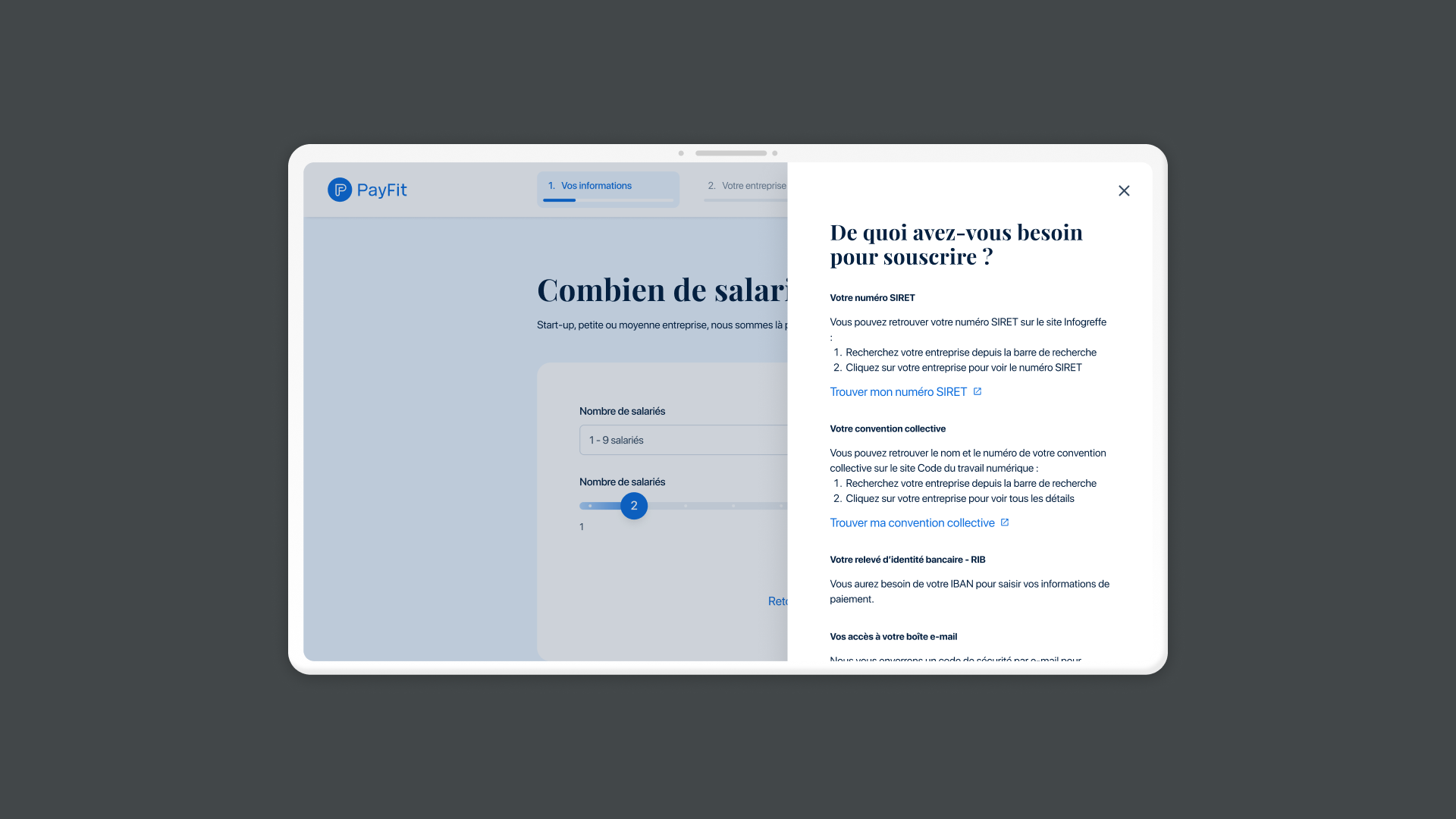
One of the most impactful changes happened at the very beginning of the funnel. We introduced a welcoming drawer panel that appeared immediately upon entry, transparently communicating what users would need to complete their subscription. This proactive approach eliminated the anxiety of unknown requirements.
The drawer clearly listed required documents like SIRET number and banking details, estimated the average completion time, and outlined the steps ahead. By setting accurate expectations upfront, we reduced abandonment and increased completion rates. Users felt informed rather than ambushed, transforming the funnel from a source of friction into a guided experience.
Results
In four months, mobile conversion moved from zero to 2.2 percent. More significantly, autonomous subscriptions grew from 3.8 percent to 9.1 percent, nearly doubling our business goal of 5 percent. Contracts signed without human intervention increased from fourteen in December to twenty-three in January alone.
The funnel that once demanded eighteen steps now guides prospects with clarity and purpose. What began as a broken experience became a competitive advantage, proving that thoughtful design can transform business outcomes while respecting user time and intelligence.